There is a beautiful irony in a film called Hokum turning out to be one of the most genuinely terrifying, meticulously crafted slices of slow-burn folk horror to hit screens in years. When a movie explicitly names itself after a word that means “nonsense” or “trite rubbish,” it is practically daring critics to sharpen their knives.
Yet, writer-director Damian McCarthy—the mad Irish genius who previously gave us the deeply unsettling Caveat (2020) and the brilliant indie darling Oddity (2024)—uses that cheeky title as a total smokescreen. Distributed by NEON, Hokum is a masterclass in claustrophobic dread, anchored by a magnificently prickly lead performance from Adam Scott. It treats its audience with immense respect, delivering an atmospheric, puzzle-box nightmare that lingers in the mind long after the credits roll.
The Plot: Ashes, Authors, and Ageless Evil
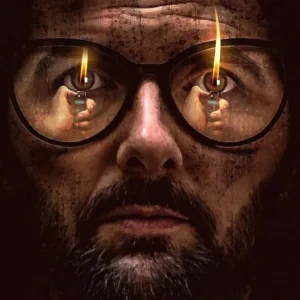
Our story follows Ohm Bauman (Adam Scott), a highly successful but intensely cynical American horror novelist who has hit a massive creative wall. He is struggling to finish the final installment of his hit trilogy, and to make matters worse, he completely detests his own fanbase—frequently greeting them with a cocktail of dry sarcasm and borderline physical hostility.
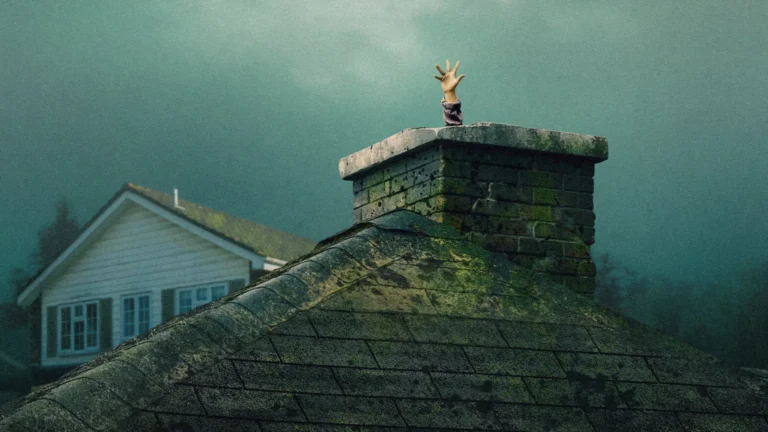
In a desperate bid to clear his head, find inspiration, and fulfill a familial duty, Ohm retreats to a remote, wood-paneled inn tucked away in the foggy, rain-slicked landscapes of rural Ireland. His official mission? To scatter the ashes of his late parents at the very hotel where they spent their honeymoon decades prior.
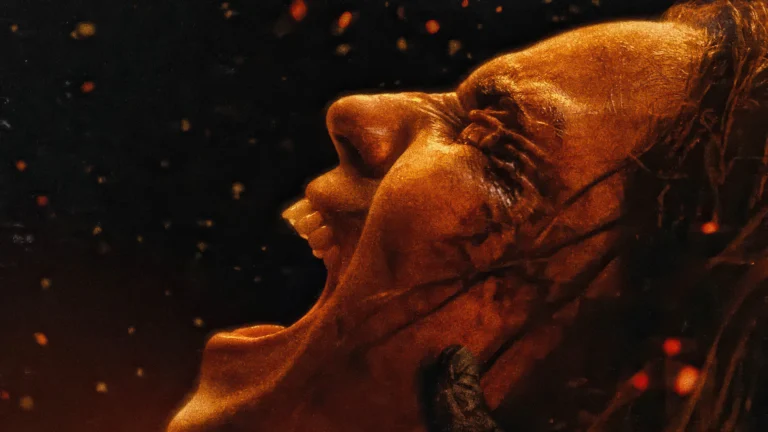
Naturally, because this is a Damian McCarthy film, the inn isn’t exactly offering a standard continental breakfast and a complimentary mint on the pillow. Instead, Ohm is promptly greeted by an eccentric local staff (featuring standout work from David Wilmot and Peter Coonan) and a suffocating piece of local legend: the honeymoon suite is allegedly haunted by an ancient, malevolent witch.
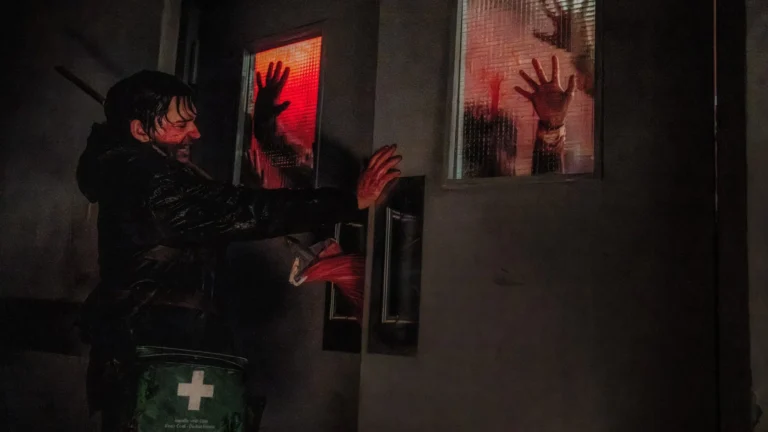
What begins as a somber, grief-fueled pilgrimage quickly devolves into a jagged, multi-layered mystery. When a shocking disappearance occurs within the hotel, Ohm is forced to turn detective. He must navigate a labyrinth of ominous dumbwaiters, hidden basements, and disturbing visions, all while trying to determine where the local folklore ends and his own psychological unraveling begins.
-
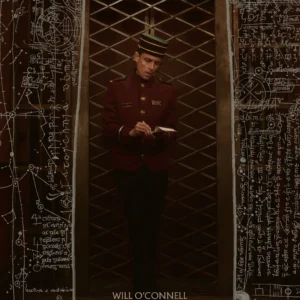
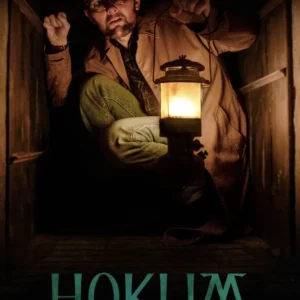
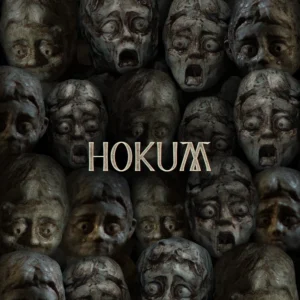
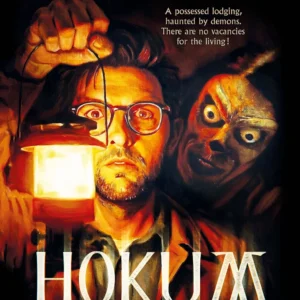
 Hokum Poster Wall Art A5 A4 A3 Super High Quality Photo Paper Design 8Price range: £7.99 through £14.99
 -
 Hokum Poster Wall Art A5 A4 A3 Super High Quality Photo Paper Design 7Price range: £7.99 through £14.99
 -
Hokum Poster Wall Art A5 A4 A3 Super High Quality Photo Paper Design 6Price range: £7.99 through £14.99
-
Hokum Poster Wall Art A5 A4 A3 Super High Quality Photo Paper Design 5Price range: £7.99 through £14.99
-
Hokum Poster Wall Art A5 A4 A3 Super High Quality Photo Paper Design 4Price range: £7.99 through £14.99
-
Hokum Poster Wall Art A5 A4 A3 Super High Quality Photo Paper Design 3Price range: £7.99 through £14.99
-
Hokum Poster Wall Art A5 A4 A3 Super High Quality Photo Paper Design 2Price range: £7.99 through £14.99
-
Hokum Poster Wall Art A5 A4 A3 Super High Quality Photo Paper Design 1Price range: £7.99 through £14.99
The McCarthy Formula: Texture Over Cheap Thrills
If you watched Oddity and found yourself completely traumatized by a giant, hollow-eyed wooden mannequin sitting at a dining table, you already know McCarthy’s brand. He doesn’t rely on the hyper-polished, CGI-heavy jump scares that dominate modern studio horror franchises. Instead, he treats atmosphere like a physical character.
The production design by Til Frohlich and the rich, shadows-and-velvet cinematography by Colm Hogan turn the Irish inn into a gorgeous, suffocating tomb. The lighting is perpetually dim and dreary, yet beautifully deliberate. McCarthy forces your eyes to scour every dark corner of the frame, weaponizing the architecture of the building. You find yourself staring intently at a seemingly empty hallway, utterly convinced that something deeply unpleasant is about to emerge from the woodwork.
And when the scares do arrive, they are spectacularly earned. While Hokum uses more traditional jump scares than McCarthy’s previous efforts, they rarely feel cheap or telegraphed. They are built on an excruciating accumulation of tension, pacing, and sound design.
A prime example involves a narrative device featuring an old tape recorder filled with the doomed, frantic voice messages of a deceased woman. The audio design mimics the raw, analog scratches of classic 70s horror, contrasting beautifully with Ohm’s sleek, modern sensibilities. The film also features the return of McCarthy’s uncanny rabbit motif and a supernatural entity that speaks entirely in Gaelic—an artistic choice that adds a deeply unsettling, authentic folklore texture to the proceedings.
The Performance: Adam Scott’s Symphony of Self-Loathing
Horror movies are notoriously difficult to carry if the audience actively dislikes the protagonist, but Adam Scott pulls off a minor miracle here. Ohm Bauman is, by all traditional metrics, an absolute arrogant prick. He is smug, bitter, and dismissive of everyone around him.
Yet, Scott plays the character’s dry, understated self-loathing with such precision that you can’t look away. He brings a grounded, slightly ironic energy to the supernatural madness, acting as a surrogate skeptic for the audience. When weird things begin to happen, Ohm doesn’t scream and run; he sighs, pours another drink, and insults the ghosts. It’s a beautifully caustic performance that prevents the film’s bleak tone from becoming entirely overwhelming.
The supporting cast, particularly David Wilmot, provides a vital layer of warmth and humanity. The interactions between the hotel staff feel deeply lived-in, grounding the surreal folklore in a recognizable, everyday reality.
Critical Consensus & Aggregate Scores
How is Hokum playing across the major cinematic review hubs? The critical reception has been overwhelmingly positive, praising the film’s thick, dread-infused atmosphere while occasionally pointing out its narrative eccentricities.
Rotten Tomatoes: 86% (Certified Fresh)
The critics’ consensus highlights Hokum as a brilliant subversion of the classic haunted house story. Top critics have widely celebrated the film’s ability to “dust off the layers of familiarity” and make classic Gothic tropes gleam anew. A few dissenting voices felt the script occasionally wavered into the nonsensical, but even the negative reviews conceded that the film is “never less than creepy.” The Verified Audience Score sits comfortably at a warm 83%, with fans specifically cheering Scott’s caustic performance.
Screen Rant & Industry Trade Reviews
Industry reviews have heavily applauded McCarthy’s evolution as a filmmaker, noting that Hokum feels substantially grander and more emotionally impactful than Caveat. Analysts have pointed out that while the film didn’t completely shatter the box office, it stands out as one of the definitive low-budget horror success stories of the season, showing that original, atmospheric folk horror can still command massive respect in an industry dominated by massive IPs.
IMDb: 7.4 / 10
On the Internet Movie Database, user reviews are strong, settling into a highly respectable tier for a horror film (a genre notoriously graded harshly by general audiences). Users have heavily praised the dreamlike integration of Irish mythology and the absence of overused Hollywood tropes—noting with relief that the film avoids the classic “Catholic horror” clichés of calling a priest to pray the evil away, opting instead for a raw, pagan dread.
Score Breakdowns
| Platform | Rating / Metric | Key Takeaway |
| Rotten Tomatoes | 86% Tomatometer / 83% Audience | Praise for McCarthy’s subversion of Gothic tropes and Scott’s acting. |
| Screen Rant | 4 / 5 Stars | Celebrated as a massive step up in emotional weight and scale. |
| IMDb | 7.4 / 10 | Strong audience approval for the unique, non-cliché Irish pagan mythology. |
The Verdict: A Dread-Steeped Masterstroke
Is Hokum flawless? Not quite. In its final act, the script attempts to weave together a traditional murder mystery, Ohm’s deeply buried childhood trauma, and the mechanics of a malevolent witch. Because McCarthy refuses to spoon-feed his audience a clean, over-explained mythology, these narrative threads can occasionally feel a bit forcefully wedged together. The plot crawls in certain stretches, prioritizing mood over momentum, which might test the patience of viewers looking for a fast-paced, popcorn slasher.
However, what the film occasionally sacrifices in narrative neatness, it more than makes up for in pure, unadulterated visceral terror. It is a movie that understands that true fear comes from the unknown, the half-seen, and the heavy weight of inevitable doom. It is an intelligent, beautifully designed piece of Irish folk horror that cements Damian McCarthy’s status as a modern genre master.
Do yourself a massive favor: turn off the lights, lock the front door, ignore any strange noises coming from your kitchen dumbwaiter, and put this on immediately.
Final Movie Reviews Verdict Score: 8.5 / 10