Ah, sequels. Those cheeky little beasts that slink back into our lives promising more of what we loved, only to sometimes deliver a watered-down echo chamber of nostalgia with a side of regret. Remember The Black Phone? That 2021 gem where Ethan Hawke donned a creepy mask and a devilish mustache to become The Grabber, the boogeyman who turned a kid’s basement into a symphony of screams? It was taut, terrifying, and left you peeking under your bed for weeks. Now, four years later, Scott Derrickson’s back with The Black Phone 2, and it’s like the film itself picked up the receiver: “Hello? This is your friendly neighborhood nightmare calling collect. Will you accept the charges?”
If the first movie was a razor-sharp pocket knife of horror—compact, precise, and liable to leave a scar—this sequel feels more like a Swiss Army tool: versatile, sure, but fumbling with gadgets it doesn’t quite know how to use. Released in the crisp bite of fall 2025, Black Phone 2 picks up a couple of years after Finney Shaw’s triumph over the Grabber’s ghostly gallery of victims. Our boy Finney (Mason Thames, still sporting that earnest, wide-eyed vulnerability that makes you want to hug him and hand him a baseball bat) is now a high schooler navigating the awkward tango of adolescence in ’70s Colorado. Puberty’s hitting harder than a fungo bat, and so are the whispers from the past. See, the Grabber might be six feet under (or is he? Spoiler: horror loves a good dirt nap interruption), but his shadow lingers like cheap cologne on a bad date. Finney’s sister Gwen (Madeleine McGraw, all firecracker sass and psychic squints) is still tuning into those ethereal radio waves, and suddenly, the siblings are yanked back into a web of abductions that feels eerily familiar—yet frustratingly expanded.
Without diving into the plot’s black hole (because who wants spoilers when the fun is in the flinch?), let’s just say the phone in the basement isn’t the only thing dialing up the drama. The Grabber’s modus operandi evolves from lone-wolf lurker to something more… communal? It’s like if Wes Craven decided Freddy Krueger needed a timeshare in suburbia. Derrickson’s script, co-penned with C. Robert Cargill, tries to broaden the canvas, weaving in themes of generational trauma, the fragility of small-town normalcy, and that timeless teen horror staple: the adults who are either useless or outright villains. It’s ambitious, I’ll give it that—like upgrading from a kiddie pool to an Olympic-sized dive, but forgetting to check if the water’s chlorinated.
Ethan Hawke, bless his chameleonic soul, slides back into The Grabber’s greasepaint and garters with the ease of a man who’s spent too many therapy sessions unpacking his Moon Knight persona. He’s magnetic, even when the material wobbles. That baritone purr? Still sends shivers down your spine like ice water in a snow globe. But here’s the witty rub: the sequel’s attempt to “humanize” (or should I say “post-mortem-ize”) the monster turns him into less of a singular terror and more of a franchise mascot. It’s as if the filmmakers peeked at Scream‘s playbook and thought, “What if Ghostface unionized?” Hawke sells it, though—his eyes gleam with that mix of paternal menace and carnival barker glee, making you forget for a moment that you’re watching a guy who’s probably workshopping his next Sundance drama between takes.
The young leads? Thames has bulked up (literally; check those awkward growth-spurt limbs) and grounds the film in a relatable fog of anxiety. He’s not just surviving anymore; he’s questioning if survival’s worth the emotional toll. McGraw’s Gwen steals scenes like a pint-sized poltergeist with a potty mouth—her visions are vivid fever dreams that blend Stephen King vibes with Stranger Things neon, and her banter with Finney crackles like static on a rotary dial. The supporting cast? A mixed bag of small-town archetypes: the sleazy coach who’s one whistle away from a #MeToo sidebar, the overbearing dad nursing grudges like they’re craft IPAs, and a new gaggle of teen sidekicks who feel like they wandered off the set of It Chapter Two. Jerrika Hinton pops as a no-nonsense detective, adding a procedural edge that sharpens the supernatural dullness, but too many threads dangle like loose phone cords.
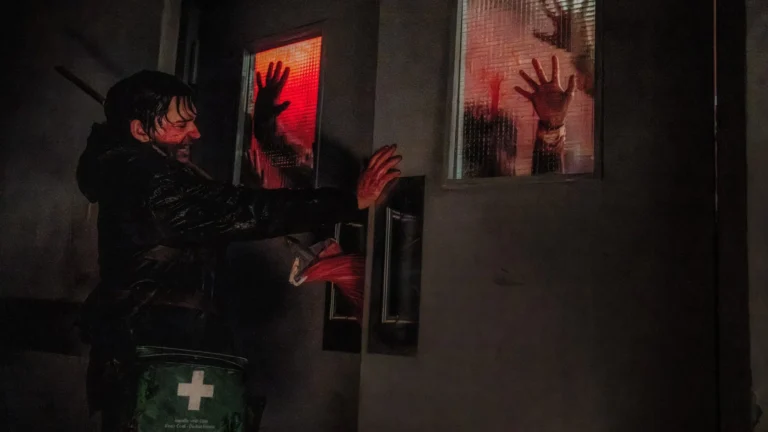
Visually, Derrickson’s got that ’80s horror aesthetic on lock—think The Lost Boys meets Poltergeist, all foggy backlots and sodium-vapor streetlights casting long, accusatory shadows. The Colorado winter setting is a stroke of genius (or masochism, depending on your tolerance for frostbite chic): blizzards bury secrets under pristine white, turning every snowdrift into a potential grave. Cinematographer Larry Fong (who lensed the first) amps up the claustrophobia, making wide-open spaces feel as trapping as that infamous basement. And the sound design? Chef’s kiss. That ringing phone isn’t just a plot device; it’s a tinnitus-inducing harbinger that had me clapping my hands over my ears in the theater, half-expecting the seat to swallow me whole.
But oh, the scares. Where the original was a masterclass in slow-burn dread—building tension like a hangman’s knot—this one’s more scattershot, like buckshot from a haunted shotgun. Jump scares land with thudding reliability (a la Insidious, Derrickson’s other haunt-fest), but they lack the psychological gut-punch of their predecessor. The ghosts return, voiced by a rotating roster of familiar faces (no spoilers, but imagine if the Brady Bunch went full Sixth Sense), offering cryptic advice that’s equal parts helpful and head-scratching. It’s fun, in a “remember when?” way, but it tips into fan service territory, like a reunion tour where the setlist’s all deep cuts and no hits.
Thematically, Black Phone 2 grapples with heavier stuff: the cycle of abuse, the myth of the “monster under the bed” versus the ones in plain sight, and how trauma echoes across siblings like feedback on an amp. It’s got heart, buried under the gore and gloom, and moments where Finney’s telekinetic baseball tricks evolve into something almost poetic—pitching curveballs at cosmic injustice. Yet, for all its reach, it stumbles on the landing. The world-building bloats what was once intimate; subplots sprout like unwanted weeds, diluting the focus. It’s like the film couldn’t decide if it wanted to be a straight-up slasher sequel, a coming-of-age ghost story, or a gritty true-crime riff. The result? A movie that’s entertainingly uneven—peaks of pulse-pounding terror followed by valleys of verbose exposition.
Compared to the first, which clocked in at a lean 103 minutes and felt like a single, sustained scream, this 128-minute romp wears its ambitions like an ill-fitting mask. It’s bigger, bolder in spectacle (that climax? A blizzard ballet of brutality that’ll have you bundled in blankets), but it sacrifices some soul for scale. Fans of the original might forgive the sprawl for the callbacks and Hawke’s encore, but casual viewers could find themselves checking their watches more than their six o’clock news clippings. It’s not a cash-grab (the practical effects and period detail scream passion project), but it does feel like the kind of sequel that sets up a trilogy more than it stands alone. Tease for Black Phone 3? Oh, it’s there, dangling like an unanswered call.
In the grand carnival of horror sequels—where Halloween reboots multiply like rabbits and Conjuring spin-offs spawn like gremlins—The Black Phone 2 carves out a respectable spot. It’s not the knockout its forebear was, but it’s got enough bite to keep the lights on for another round. Witty one-liner verdict? This Grabber’s got grab-ass energy: fun while it lasts, but you’ll be wiping your hands after. If you’re a sucker for ’80s throwbacks with a side of sibling solidarity and supernatural slugfests, grab your popcorn and brace for the ring. Just don’t answer if it’s collect.
Black Phone 2 is the horror follow-up that’s half homerun, half hang-up. What’s your take? Hit the comments, but if you hear heavy breathing, hang up quick.