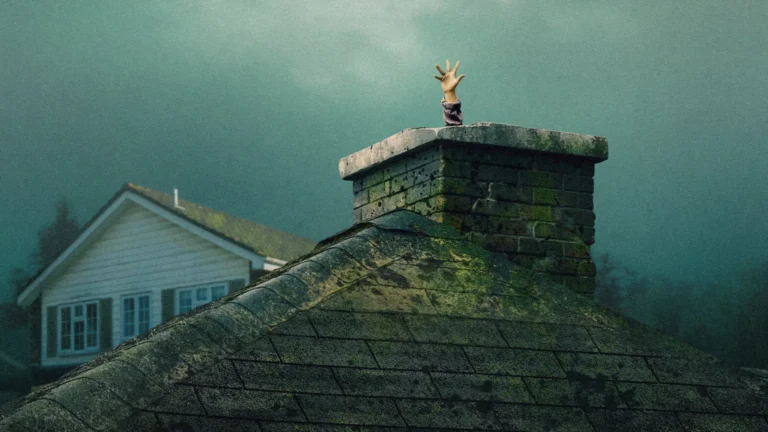
Netflix’s “Monster: The Ed Gein Story” is like that friend who tells you a disturbing story at dinner—you can’t look away, but you’re also questioning their life choices. This third installment of Ryan Murphy’s true crime anthology digs up the gruesome tale of America’s most infamous grave robber, and boy, does it commit to the bit.
Meet Your New Nightmare Fuel
Ed Gein—the name alone makes horror fans perk up like cats hearing a can opener. This Wisconsin farmer turned serial killer didn’t just inspire fictional monsters; he practically wrote the handbook for cinematic psychopaths. Norman Bates? Leatherface? Buffalo Bill? They all owe their creepy DNA to good old Eddie from Plainfield. Netflix’s latest true crime offering decides to tell his story with all the subtlety of a sledgehammer to a tombstone.
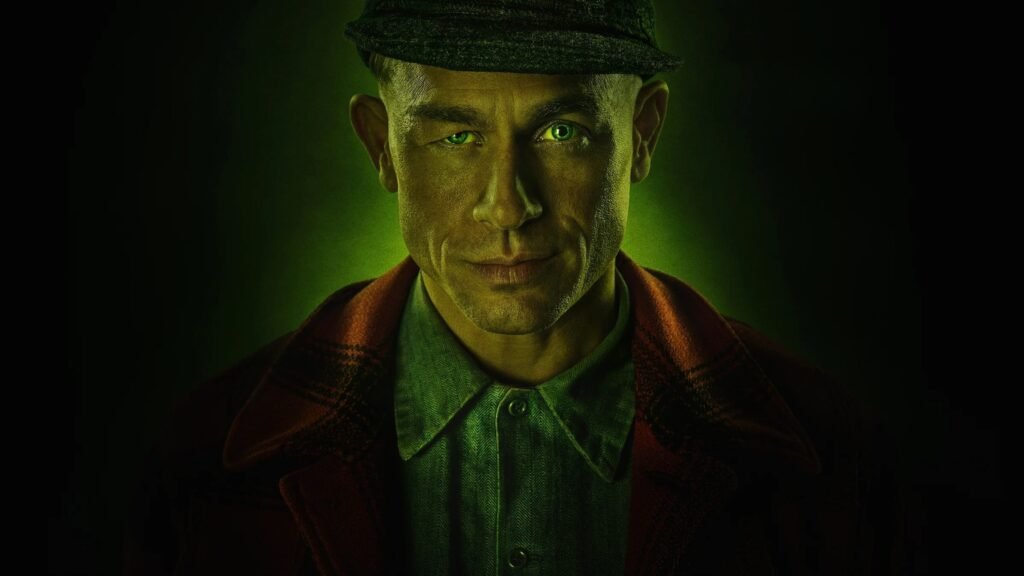
Created by Ian Brennan and produced by Ryan Murphy (because of course it is), this series stars Charlie Hunnam as the soft-spoken sociopath and Laurie Metcalf as his spectacularly toxic mother, Augusta. If you thought your family dynamics were complicated, wait until you meet the Geins—they make the Addams Family look like the Brady Bunch.
The Performances: Oscar-Worthy or Just Plain Disturbing?
Let’s start with the good news: Charlie Hunnam absolutely disappears into the role of Ed Gein, which is both impressive and deeply unsettling. Gone is the charming biker from “Sons of Anarchy,” replaced by a man whose idea of home décor involves human skin lampshades. Hunnam captures Gein’s eerie combination of childlike vulnerability and bone-chilling menace with the skill of a method actor who probably needed therapy afterward.
Laurie Metcalf, meanwhile, delivers a masterclass in maternal toxicity as Augusta Gein. Her performance is so intensely oppressive that you’ll want to call your own mother just to apologize for every eye roll you’ve ever given her. The woman could make a Hallmark card feel threatening.
The series also features Tom Hollander as Alfred Hitchcock, because apparently, we needed to see the Master of Suspense himself weighing in on the cultural implications of turning real-life horror into entertainment. It’s meta in the way that makes you simultaneously impressed and slightly nauseous.
Visual Feast or Visual Assault?
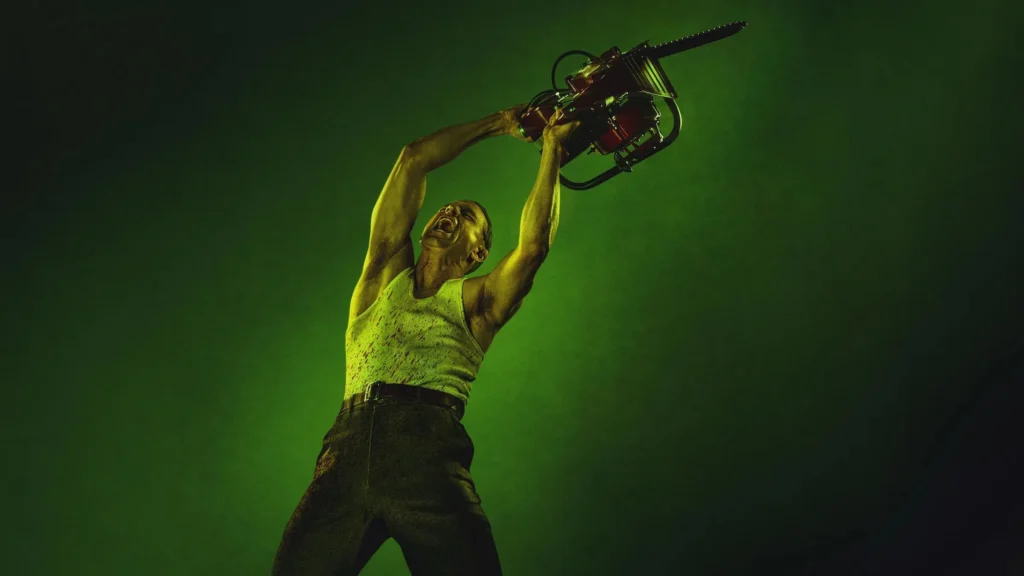
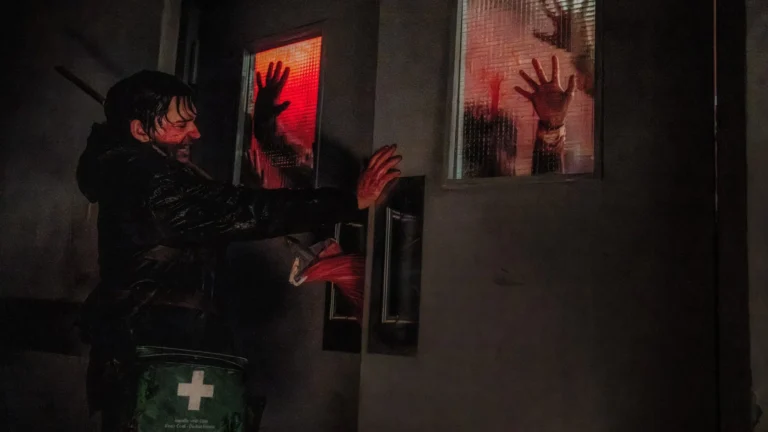
Cinematically speaking, “Monster: The Ed Gein Story” is undeniably ambitious. The show transforms rural Wisconsin into a gothic nightmare landscape where every shadow seems to hide something unspeakable. The production design team clearly had a field day creating Gein’s house of horrors, complete with enough disturbing details to keep you checking your locks for weeks.
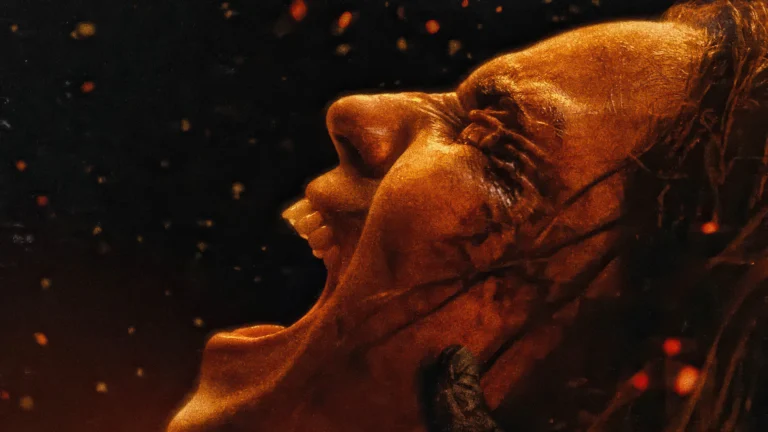
But here’s where things get complicated: the show doesn’t just show you the horror—it marinates in it. Every grotesque detail is lovingly crafted and lingered upon with the dedication of a Renaissance painter working on a masterpiece. It’s impressive from a technical standpoint, but it also makes you wonder if the creators confused “unflinching portrayal” with “let’s see how much we can traumatize our audience.”
The Writing: Ambitious or Just Plain Messy?
The series attempts to weave together Gein’s personal story with broader commentary about American society, mental illness, and our collective fascination with monsters. It’s an ambitious approach that sometimes works brilliantly and sometimes feels like three different shows got into a blender together.
The narrative jumps between timelines, mixing real events with speculative fiction, throwing in connections to Nazi experiments, Hollywood glamour, and various other serial killers throughout history. It’s like a Wikipedia rabbit hole turned into prestige television—fascinating but also exhausting.
The show’s biggest identity crisis comes from its attempts to criticize the very thing it’s doing. It wants to condemn society’s obsession with true crime while simultaneously feeding that obsession with graphic reenactments and salacious details. It’s the equivalent of someone lecturing you about the dangers of junk food while offering you a supersized combo meal.
The Ethical Minefield
Here’s where things get really uncomfortable: Is this entertainment or exploitation? The series grapples with this question but never really answers it satisfactorily. It raises important points about how we turn real-life tragedies into consumable content, but then it goes ahead and does exactly that for nine episodes.
The show wants to have its cake and eat it too—to be both a serious examination of evil and a crowd-pleasing horror spectacle. Sometimes this works, creating moments of genuine insight about the nature of monstrosity and the way society creates its own boogeyman. Other times, it feels like intellectual window dressing on what is essentially gore porn.
The Monster in the Mirror
Perhaps the most interesting aspect of the series is how it forces viewers to confront their own complicity in the true crime phenomenon. Every time you find yourself engrossed in the gruesome details of Gein’s crimes, the show seems to be asking: “What does it say about you that you’re watching this?”
It’s an uncomfortable question, and the series deserves credit for asking it. But it would have more impact if the show didn’t seem so eager to provide exactly the kind of sensationalized content it’s supposedly critiquing.
The Cultural Legacy Question
The series does succeed in exploring how Ed Gein became more than just a killer—he became a cultural icon. The episodes examining his influence on horror cinema are genuinely fascinating, showing how real-life horror gets transformed into entertainment that we consume without thinking about its origins.
But again, the irony is thick: we’re watching a show that turns Ed Gein into entertainment while it tells us how problematic it is to turn Ed Gein into entertainment. It’s like being trapped in an ouroboros made of ethical concerns and Netflix subscriptions.
Final Verdict: Stream It or Flee From It?
“Monster: The Ed Gein Story” is undeniably well-made television that will stick with you long after the credits roll—whether you want it to or not. The performances are exceptional, the production values are high, and it raises important questions about our relationship with real-life horror.
But it’s also deeply disturbing, occasionally exploitative, and so committed to its graphic content that it sometimes feels like it’s trying to win a contest for “Most Likely to Cause Nightmares.” If you’re someone who can handle intense content and enjoys wrestling with complex moral questions while watching beautifully crafted television, this might be your cup of tea—assuming your tea is made from grave dirt and regret.
For everyone else, maybe stick to fictional monsters. They’re far less complicated and significantly less likely to make you question your life choices at 2 AM.
The series is now streaming on Netflix, ready to haunt your recommendations and your dreams in equal measure.